
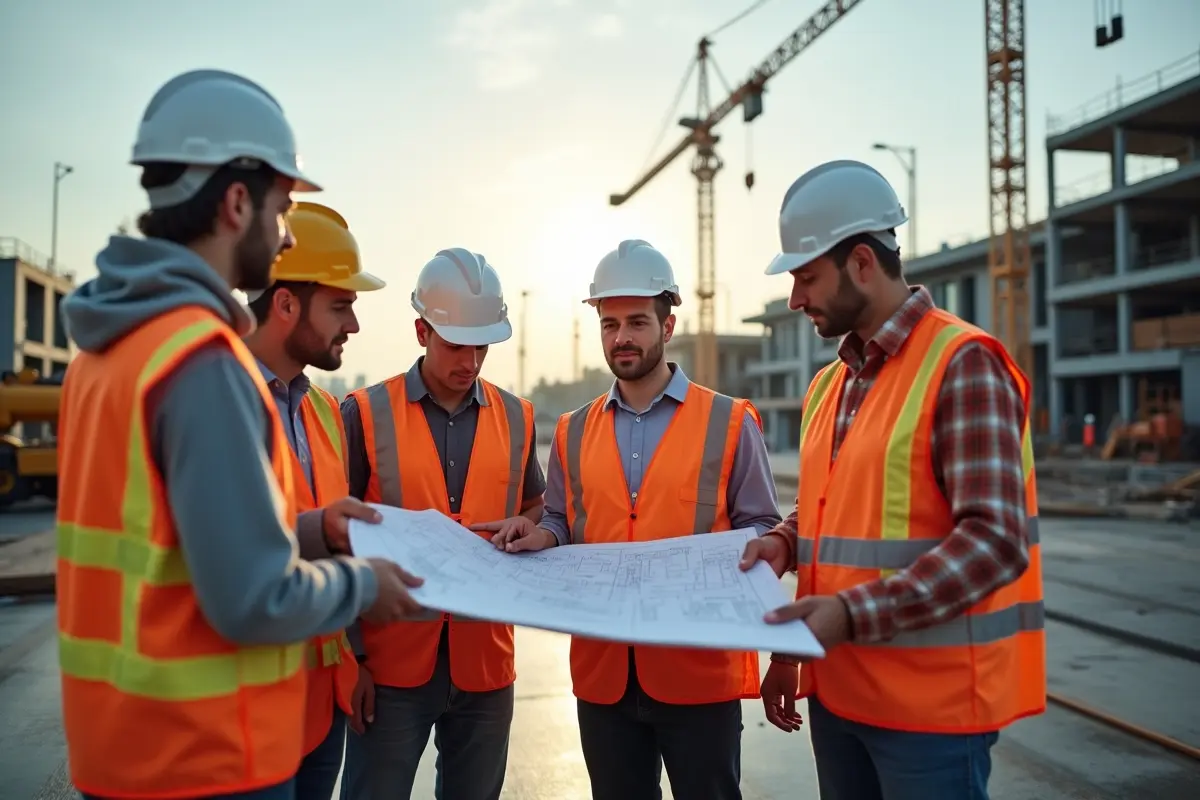
Trends Shaping Industrial Construction in Mexico
Industrial construction in Mexico is evolving rapidly, shaped by a mix of global economic trends, technological innovation, and shifting market expectations. From renewed interest in nearshoring to increasing adoption of green materials and advanced construction practices, the sector presents a dynamic landscape for investors, developers, and industry professionals. As more developers seek reliable construction companies in Mexico, understanding the driving forces behind these changes is more important than ever.
Mexico’s industrial sector not only caters to domestic demand but also serves as a critical node in global supply chains. Ongoing changes in the labor market, energy infrastructure, and environmental priorities are pushing stakeholders to rethink traditional approaches. In this environment, competitive advantage depends on a proactive and strategic outlook. The following key trends highlight the opportunities and challenges that will define the future of industrial construction in Mexico.
Nearshoring: A Sustained Influence
The movement of production facilities closer to consumer regions, particularly in North America, remains a pivotal force in Mexico’s industrial real estate and construction sectors. After an initial surge, the pace of nearshoring projects has moderated, but the trend continues to shape sectoral performance. Sectors such as automotive, electronics, and aerospace stand out, benefiting from Mexico’s proximity to the US and its established manufacturing ecosystem. Companies continue to see Mexico as a destination for efficient, cost-effective supply chain operations, even as competition for prime locations intensifies.
In addition to these advantages, government incentives and trade agreements, such as the United States-Mexico-Canada Agreement (USMCA), have helped sustain investor interest in Mexican industrial properties.
As more companies seek to reduce the risks associated with distant supply chains, whether due to global disruptions or political tensions, the strategic advantages of establishing operations in Mexico become even more pronounced. Broader adoption of flexible warehouse designs is now seen, accommodating a diverse range of manufacturing and logistics tenants seeking to capitalize on Mexico’s growing role in North American trade.
Technological Integration in Construction
Technology is transforming how industrial projects are planned and delivered. Building Information Modeling (BIM) is now standard for many large-scale developments, allowing teams to optimize workflow and catch conflicts before ground is broken. Modular construction and prefabrication are also increasing in popularity, helping reduce timelines and costs while ensuring higher quality and consistency.
The use of innovative materials, such as Corncrete, a concrete alternative derived from corn, illustrates a broader drive toward sustainable construction practices. This focus on efficiency and responsibility supports greater competitiveness and long-term resilience for Mexican industrial projects.
Robotics and automation are also increasingly used in complex industrial projects, from robotic bricklaying to automated inspection drones. These advances not only promote safer job sites but also enable more accurate project management through real-time data collection and predictive analytics. As these technologies mature, early adopters can reduce risk, cut costs, and position their businesses as leaders in an increasingly tech-driven construction landscape.
Regional Disparities and Market Dynamics
Industrial development in Mexico is marked by stark regional contrasts. The Cuautitlán-Tultitlán-Tepotzotlán (CTT) corridor outside Mexico City controls a vast portion of the area’s logistics inventory and continues to attract concentrated investment. In contrast, regions like Bajío have seen a drastic drop in new construction offerings, with some estimates reporting a 90% decline as developers seek to avoid oversupply. This patchwork of growth patterns highlights the need for region-specific strategies and makes data-driven planning indispensable.
Additionally, local policy frameworks and infrastructure development play a significant role in shaping regional outcomes. Cities with robust public transport, accessible transportation corridors, and well-developed utility infrastructure continue to see stronger demand and stability. Developers, investors, and service providers must therefore consider not just macroeconomic indicators but also municipal and regional planning environments that could accelerate or restrain new construction activity.
Energy Infrastructure Challenges
Rapid industrialization puts pressure on Mexico’s energy grid, exacerbating ongoing shortages in several key markets. The Comisión Federal de Electricidad (CFE) is responding with plans to expand grid capacity by 2,500 megawatts, targeting new industrial parks and existing clusters. However, persistent bottlenecks and reliability concerns can jeopardize investment decisions and operational uptime. Addressing these issues is critical to maintaining Mexico’s status as a manufacturing and logistics hub.
More companies are turning to distributed energy solutions, such as onsite solar generation and battery storage, to help bridge power gaps in sensitive areas. The integration of renewable energy systems not only supports sustainability initiatives but also protects against costly equipment downtime resulting from unexpected blackouts or voltage fluctuations. Strategic partnerships among public utilities, private developers, and international investors will be essential to overcoming these infrastructure hurdles and ensuring a reliable power supply for both new and existing industrial projects.
Labor Market Adjustments
As the industrial construction market advances, worker demands increase. In Mexico City, wages for industrial roles now average $4.91/hour, about 35% above the national average. Automation has shifted labor needs toward higher skills, including digital proficiency and advanced manufacturing. Attracting talent requires ongoing training and competitive pay, especially in high-growth areas. Upskilling partnerships with technical institutes and universities are common. Firms also focus on safety, diversity, and worker well-being to attract talent. As AI and smart systems grow, workforce adaptability remains key.
Environmental Considerations
Industrial construction stakeholders are increasingly evaluated on their environmental impact. Materials like Corncretl can reduce carbon emissions by up to 70% compared to traditional concrete, aligning industry with sustainability-focused investors and clients. Certifications such as LEED are now common for new warehouse and manufacturing sites, encouraging energy efficiency, resource conservation, and pollution reduction.
As supply chains face greater environmental scrutiny, adopting sustainable practices is crucial for long-term competitiveness. Construction firms are exploring new impact metrics, including life-cycle assessments and embodied carbon calculations. The circular economy concept promotes recycling and repurposing building materials and waste. Transparent reporting and sustainable procurement demonstrate responsible construction, building trust with global partners and investors.
Conclusion
Mexico’s industrial construction is at a pivotal point, benefiting from nearshoring and technology, but facing challenges in energy, labor, and sustainability. Stakeholders focusing on innovation, regional adaptation, and environmental stewardship will thrive, strengthening Mexico’s global industrial role. Future growth depends on collaboration among developers, policymakers, and industry leaders to turn opportunities into sustainable development. Embracing continual improvement and best practices will cement Mexico’s reputation as a top industrial investment hub.